Outpatient opiate treatment
With outpatient opiate treatment, a person goes to a clinic for medication and counseling, then goes back home. Across the country, 7137 SAMHSA-listed facilities provide this level of care. Visits can be scheduled around a job, classes, or family responsibilities.
- programs in the United States
- 7,137
- take Medicaid
- 6,304
- take private insurance
- 6,326

Outpatient opiate treatment is a level of care in which someone goes to a clinic or a clinician's office for medication and counseling, then heads home that same day. Nationwide, 7137 SAMHSA-listed facilities provide outpatient rehab for opioid use disorder. Depending on the program, a typical day could mean a morning dosing visit, a weekly counseling session, or a telehealth check-in.
Schedules vary widely. Outpatient programs often combine medication with counseling, and 6442 of the 7137 offer telehealth visits. Counseling may be individual or group, and many programs offer both.

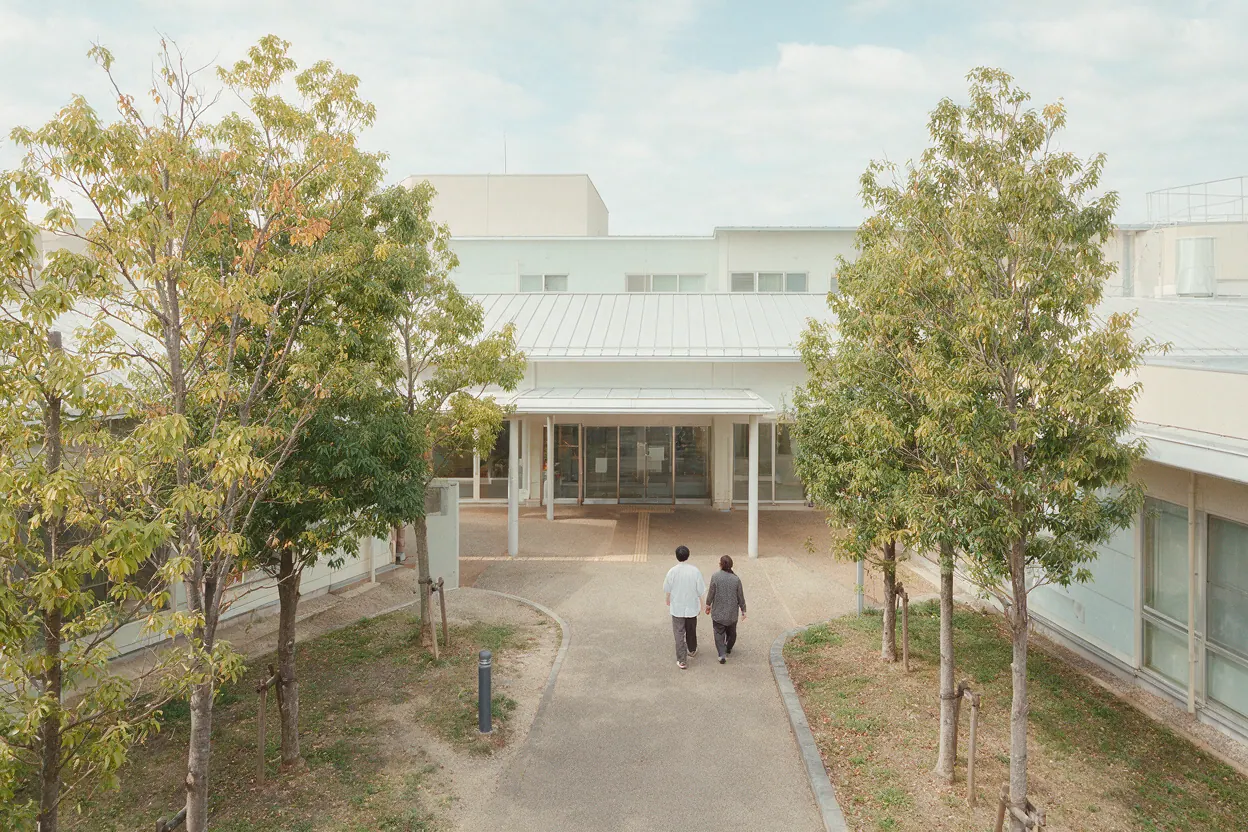
Outpatient opiate treatment near you
Across the country, 7137 SAMHSA-listed facilities provide outpatient rehab, and 7748 provide buprenorphine treatment. Among outpatient programs, 6304 accept Medicaid and 6326 accept private insurance. Medicare is taken at 5009, and 2990 offer a sliding fee scale. Spanish-language services exist at 1748, dual diagnosis care at 4992, and telehealth at 6442. These figures are national totals, so the count near you will be lower.
When you call a program, ask which payments it accepts and whether it offers the medication you are looking for. If you have Medicaid, check that the program takes it, since coverage can differ by state. Telehealth may be an option if you have reliable internet and a private space for visits. For those without insurance, ask about sliding-scale options, offered at 2990 outpatient programs nationwide. If you are uninsured or underinsured, a helpline can help you sort through which local clinics might fit your situation.
- take Medicaid
- 6,304
- accept private health coverage
- 6,326
- take Medicare
- 5,009
- have income-based fees
- 2,990
| Center | Town | Offers | Takes |
|---|---|---|---|
| Peninsula Community Health Services of | Kenai, AK | Outpatient | Medicaid, Medicare, Insurance, Sliding fee |
| BHG Cullman Treatment Center | Cullman, AL | Outpatient, OTP | Medicaid, Medicare, Insurance |
| Conway Regional Health Systems | Conway, AR | Outpatient | Medicaid, Medicare, Insurance |
| Assurance Assertive Comm Treatment | Tucson, AZ | Outpatient | Medicaid, Medicare, Insurance |
| Narcotics Prevention Association Inc | Los Angeles, CA | Detox, IOP, Outpatient, OTP | Medicaid, Medicare, Sliding fee |
| La Trenza Counseling Inc | Commerce City, CO | IOP, Outpatient | Medicaid, Medicare |
| MCCA Inc | Danbury, CT | IOP, Outpatient | Medicaid, Insurance |
| New Hope Health Services | Washington, DC | Detox, PHP, IOP, Outpatient | Medicaid, Medicare, Insurance, Sliding fee |
| Addiction Medical Facility LLC | Seaford, DE | IOP, Outpatient, OTP | Medicaid, Medicare, Insurance |
| Guidance Care Center Inc | Marathon, FL | Detox, Residential, Outpatient | Medicaid, Medicare, Insurance, Sliding fee |
Paying for outpatient opiate treatment
Private insurance, Medicaid, and Medicare are accepted at many outpatient programs, and some also offer sliding fees. Across the country, 6304 outpatient programs accept Medicaid, 6326 accept private insurance, and 5009 accept Medicare. When you have no insurance, ask about sliding-scale options, which 2990 outpatient programs offer. If you have Medicaid, find out whether your state expanded coverage, since that shapes what is available.

Who outpatient opiate treatment fits
- Among the 7137 outpatient programs, 6442 provide telehealth, which helps when travel is difficult.
- Outpatient visits can be scheduled around a job, and 7137 programs nationwide offer this flexibility.
- Dual diagnosis care is available at 4992 of the 7137 outpatient programs for those with co-occurring conditions.
Outpatient care explained
Intake and assessment
This first visit may take an hour or more, and you can bring someone for support if you like.
Medication visit
If medication is part of your plan, a prescriber explains options such as buprenorphine, methadone, or naltrexone.
Counseling and support
Most programs include counseling, which may be individual or group. Some also offer peer support or family sessions. The focus is on building skills and staying engaged with treatment; 4992 outpatient programs also address dual diagnosis care.
Ongoing check-ins
Your care team can adjust the plan as your needs change, and 6442 programs offer telehealth for follow-up visits.
Questions people ask
What is the most common treatment for opiate addiction?
Across the country, 7748 SAMHSA-listed facilities offer buprenorphine treatment, and outpatient programs are widely available.
What is the gold standard treatment for opioid addiction?
It is offered at many of the 7137 outpatient rehab programs listed nationally.
Does opioid addiction ever go away?
Relapse can happen, and returning to treatment is part of the process, not a failure.
What is the 7 day opioid rule?
Rules vary by plan and state. If you run into this, ask the program or your insurer about next steps; 6326 outpatient programs accept private insurance and can help navigate these rules.
Find outpatient opiate treatment
When you are helping a loved one look for care, our helpline can direct you to SAMHSA-listed outpatient programs nearby. Drawing on the 7137 programs listed nationwide, we can share questions to ask about medication, insurance, and scheduling. Call whenever you like to talk through the choices. This call is a referral service rather than a clinic, and admission or coverage is not promised.